M&A - Renewable Energy Bioenergy Waste to Energy Facility
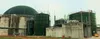
Bioenergy operates a Waste to Energy Biogas plant in Singapore, converting animal and food waste into electricity and supplying Renewable Energy to the Open Electricity Market in Singapore. The facility has the capacity to generate 2.2MW/hr of electricity operating 24 hours a day.
SUSTAINABILITY BENEFITS
Diversion of organic waste from incineration
Food waste is a waste stream which currently has a low recycling rate. As the second largest waste stream, there is great potential to recycle food waste into higher value products such as biogas for energy recovery. This facility will help divert organic waste from incineration and to generate energy in a more effective way.
Reducing ash quantity therefore low load to Semakau Landfill
Semakau Landfill is now the only working landfill in Singapore and it is projected to run out of space by around 2035. Diversion of waste from incineration would lead to lesser ash production which in turn would help reduce load of ashes to the landfill playing an important role for Singapore’s National goal to reduce 30% of the waste to Semakau.
Production of renewable energy. Biogas is a carbon neutral fuel
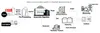
Biogas is an almost carbon-neutral form of energy generation because as plants grow, carbon dioxide (CO2) from the atmosphere is taken up by plants and stored in form of carbon containing molecules (CO2 reduction). After combustion, the same amount of CO2 that was originally taken in from the atmosphere is emitted again (CO2 neutral process). The CH4 methane content in the waste is captured.
Reduction of GHG emission
Anaerobic digestion helps in reduction of GHG by capturing the methane that may otherwise be released from conventional waste handling methods. Furthermore, biogas production substantially reduces GHG by substituting fossil energy carriers.
Read our press release on Bioenergy.